Credit cards are handy, but if you don't handle them right, they can quickly become a source of stress regarding money. It's easy to get stuck in a circle of debt that's hard to get out of when interest rates are high; people buy things they don't need or miss payments.
The good news is that if you use the right strategies and tools, you can stay out of credit card debt and keep your finances stable. Here's how to stop spending too much and pay your bills on time.
1. Make a budget you can stick to
To stay out of credit card debt, you should first know how much money you can spend. Make a monthly budget that keeps track of your:
- Income
- Fixed costs (like rent, utilities, and food)
- Splurges (like shopping and eating out)
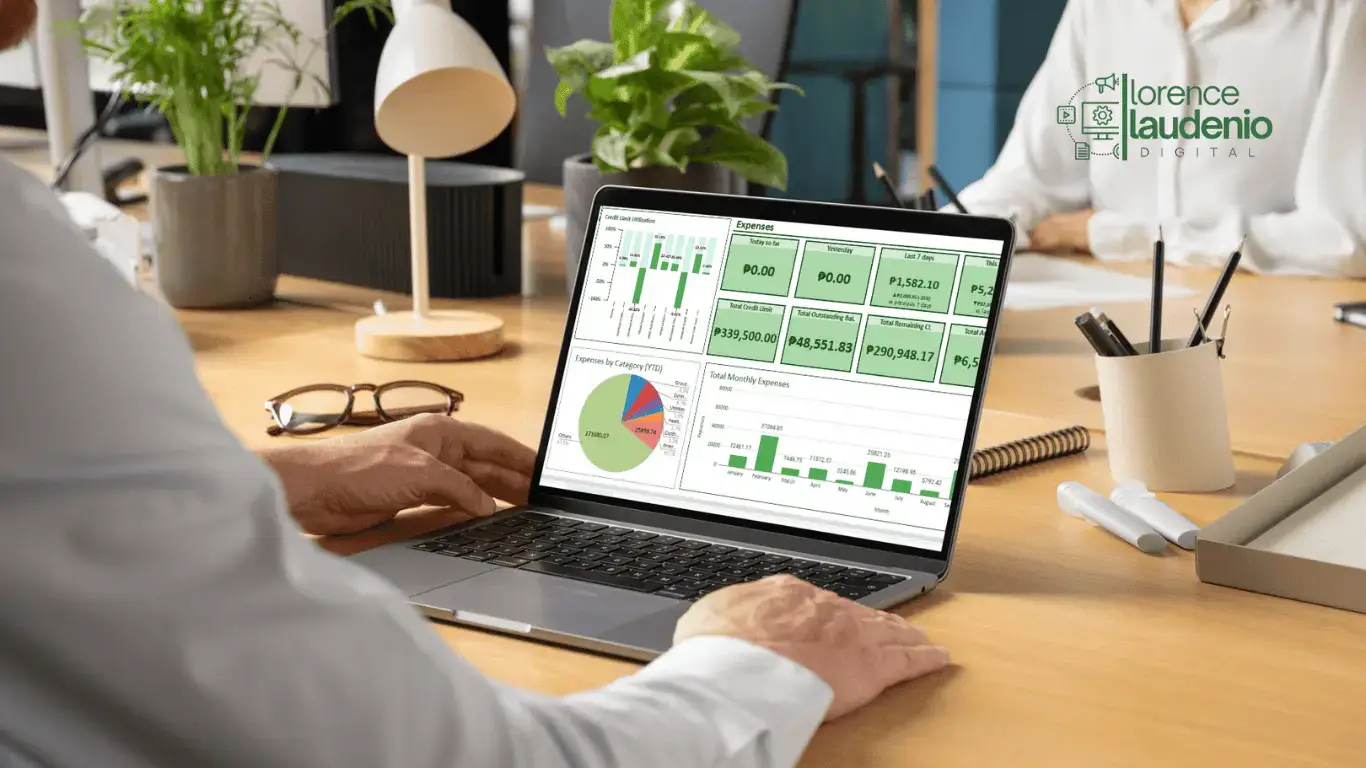
Tip: To keep track of your spending in real-time, use a Credit Card Tracker (Google Sheet Template).
2. Always Pay More Than the Minimum Due
It might seem easy to pay only the minimum amount due, but you'll pay much interest over time.
If your debt is ₱10,000 and the interest rate is 3.5% per month, paying it off could take years if you only do the bare minimum. You can cut down on interest and pay off your debt faster if you pay off your whole balance or at least twice the minimum amount owed.
3. Track Your Due Dates to Avoid Late Fees
You must pay extra fees when you pay late, and the interest rate increases. To avoid this:
- Make notes of when things are due.
- Set up automatic payments through your bank.
- Use a Credit Card Tracker in Google Sheets to track when payments are due.
Take a look at this Credit Card Tracker (Google Sheet Template) – It keeps track of all of your payments, due dates, and open amounts in one place!
4. Limit Impulse Purchases
It's easy to spend money you don't have when you have a credit card. Before you buy something, ask yourself,
- "Do I need this, or do I just want it?"
- Is this something I can pay for without using my credit card?
By sticking to your budget, you can avoid too much debt and keep your money in order.
5. Don't use more than 30% of your available credit.
Credit usage is the difference between how much credit you're using and your available credit. A high usage rate can
- Decrease your credit score
- Lead to more interest charges
- Tell lenders you have money problems.
For example, if you can borrow ₱50,000, try to keep your amount below ₱15,000 (30%).
6. Pay off debts with high interest rates first
If you have multiple credit cards, pay off the one with the most significant interest rate first. The advance method helps you repay your debts faster and for less money.
If you want to see results quickly, try the snowball method. Pay off your small balances first to feel like you're progressing.
Tip: Use a Debt Payoff Tracker (Google Sheet Template) in Google Sheets to plan your payments.
7. Keep track of your credit cards with Credit Card Tracker (Google Sheet Template)
The best way to keep track of your money? Regularly keep track of your credit card transactions.
- Keep an eye on your monthly bills and due dates.
- See how much credit has been used
- Identify spending patterns to cut unnecessary expenses
Get this ready-to-use Credit Card Tracker Google Sheet Template to help you manage your credit card payments, avoid late fees, and track your balances in one easy-to-use file!
Credit cards can help you save money, but only if you know how to use them right. You can avoid going into debt and enjoy the rewards of credit without the stress if you make a budget, keep track of your spending, and pay your bills on time.