Introduction
More Filipinos depend on debt for daily needs, schooling, and crises. The rising cost of living and easy access to credit means that personal debt in the Philippines is shockingly quick. How serious is this problem? Let's review the data, grasp the difficulties, and investigate sensible plans to remain financially safe.
The Philippines' Personal Debt Situation Right Now
As of September 2024, CEIC Data shows that household debt in the Philippines reached $52.2 billion (₱3 trillion). This explains 11.3% of the national GDP, a notable rise from $47.7 billion in the previous quarter, suggesting a rising dependence on borrowing.
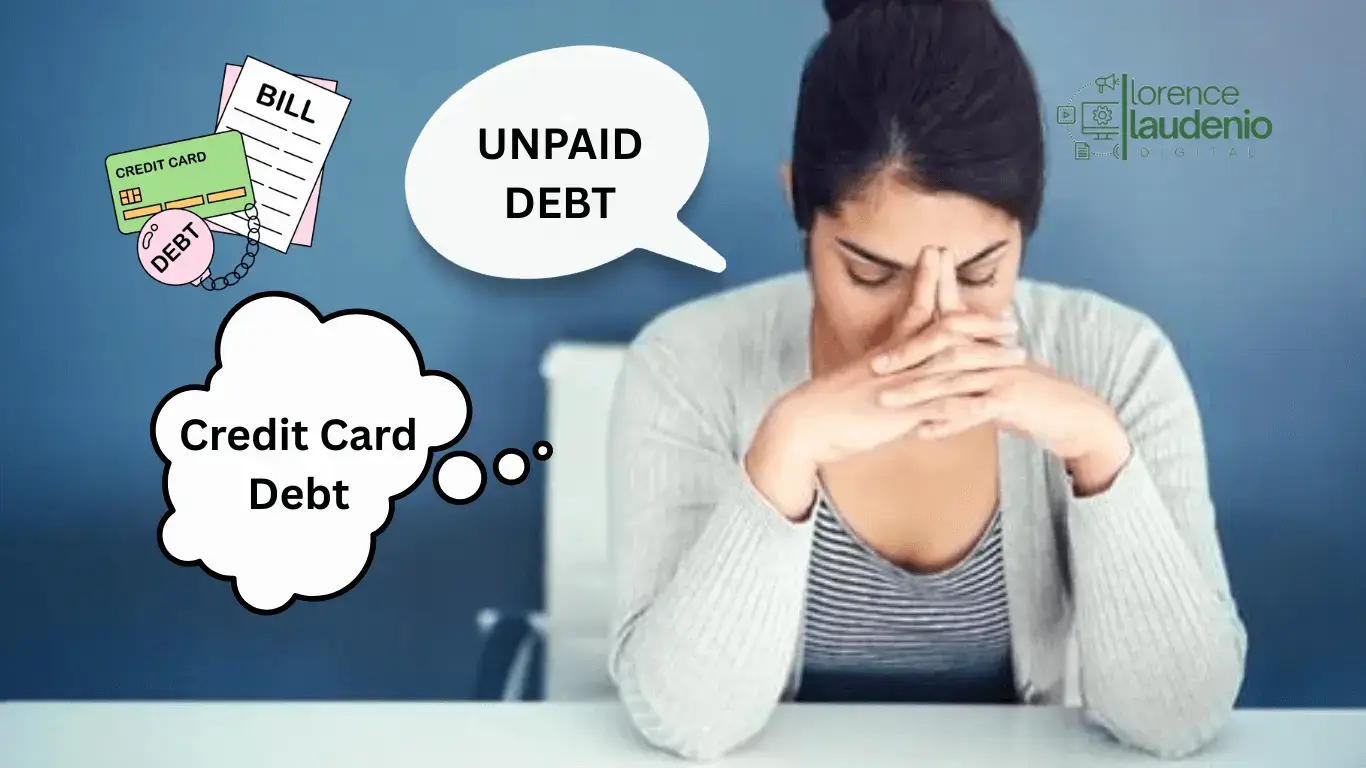
Bangko Sentral ng Pilipinas (BSP) statistics show that credit card debt has jumped to ₱680 billion from ₱424 billion in early 2021. As inflation drives up expenses and results in more outstanding financial obligations, many Filipinos use credit cards for regular needs.
Why Are Increasing Numbers of Filipinos Entering Debt?
Many elements lead to the increase in personal debt:
- Changing Standard of Living: Inflation has caused the rising cost of utilities, food, and transportation to force Filipinos to rely more on credit.
- Insufficient financial literacy: Many people battle debt management and budgeting, which causes financial mistakes.
- Simple Loan accessibility: Credit cards, salary loans, "buy now, pay later" (BNPL) services, and other offerings from banks and internet lenders make borrowing more appealing.
- Employment Insecurity: Some families are forced to seek loans to live by job loss and unstable economies.
- Medical Emergencies: Many Filipinos build debt to pay medical bills because of inadequate health insurance.
The Consequences of Ignoring Debt
Although debt is helpful in a crisis, too much borrowing has significant repercussions. This is what to be alert for:
- High Interest Rates: Philippine credit card interest rates range from 3% to 4% each month, rapidly escalating debt.
- Traps in Debt: Eliminating new loans to pay off old ones can start an endless debt cycle.
- Anxiety and Psychological Problems: Anxiety, sadness, and relationship problems can all follow from financial difficulties.
- Legal and Financial Concerns: Unpaid loans could damage your credit score, cause calls for collection, and possibly cause legal action.
How to Handle Debt Wisely
How do I pay off the debt in the Philippines? Here are doable actions to enable you to take financial control:
- Create a budget: Track your income and expenses to cut unneeded spending.
- Sort debt calls first: To lighten the financial load, concentrate initially on paying off high-interest loans.
- Borrow just as needed: Avoid loans for non-essential purchases and live within your means.
- Create an Emergency Fund: In dire circumstances, even a little financial cushion can help to avoid the necessity for debt.
- Boost Financial Understanding: To make wise financial decisions, join initiatives for financial literacy or consult professionals.
In summary
While personal debt in the Philippines continues to rise, Filipinos can take control of their finances by making smarter money choices. Individuals can prevent excessive debt and build a more secure future through budgeting, responsible borrowing, and financial literacy.
Resources & References